مدیریت بحران

مدیریت بحران

تحلیل اثرات تغییر اقلیم جهانی بر شاخص‌های امنیت غذایی (با تأکید بر ایران)

نوع مقاله : مقاله علمی - پژوهشی

نویسندگان
1 استادیار، مجتمع دانشگاهی مهندسی و پدافند غیرعامل، دانشگاه صنعتی مالک اشتر، تهران، ایران
2 پژوهشگر، مجتمع دانشگاهی مهندسی و پدافند غیرعامل، دانشگاه صنعتی مالک اشتر، تهران، ایران
3 دانشجوی کارشناسی ارشد، مجتمع دانشگاهی مهندسی و پدافند غیرعامل، دانشگاه صنعتی مالک اشتر، تهران، ایران
چکیده
در سال‌های اخیر بحث تغییرات اقلیمی و اثرات آن بر محیط یکی از موضوعات مهم در مطالعات و تحقیقات در سراسر دنیا به شمار می‌رود. یکی از اثرات مهم تغییر اقلیم در جهان، تغییر در شرایط مؤلفه‌های تولید و تأمین غذا و درنهایت به خطر افتادن امنیت غذایی است. هدف از تحقیق حاضر بررسی و تحلیل اثر تغییر اقلیم بر مؤلفه‌های دخیل در امنیت غذایی است. در بخشی از این تحقیق به‌صورت گذرا به تغییر اقلیم و اثر آن بر امنیت غذای در ایران تأکید شده است. اطلاعات نظری این تحقیق از نتایج تحقیقات صورت گرفته در زمینه موضوع تحقیق استخراج‌شده و روش مورداستفاده برای تحلیل اثر شرایط اقلیمی و شاخص‌های امنیت غذایی نیز ماتریس دیمتل بوده است. نتایج نشان داد تغییر اقلیم دارایی‌های سیستم غذایی شامل تولید، حمل‌ونقل، ذخیره‌سازی و فراوری را تحت تأثیر قرار می‌دهد و پیامدهای آن می‌تواند وضعیت غذای موجود و دسترسی به غذا را با اخلال مواجه سازد. درنهایت کاهش دسترسی به منابع و به خطر افتادن معیشت و امنیت غذا می‌تواند به‌صورت محلی منجر به مناقشه و درگیری بین مردم شود. از طرفی نتایج نشان می‌دهد بسیاری فاکتورهای اقلیمی طی سال‌های اخیر در کشور دچار روند و تغییر شده‌اند. افزایش دما به‌خصوص دمای شبانه، تغییر در رژیم بارشی و کاهش بارش برخی مناطق، افزایش شدت و مدت خشک‌سالی، کمبود منابع آب و ... از پیامدهای تغییر اقلیم و گرمایش جهانی در کشور می‌باشند. اثر تغییر اقلیم در کشور می‌تواند فعالیت‌ها، دارایی‌ها، سرمایه‌گذاری و به‌طورکلی سیستم غذایی را به‌شدت با ریسک مواجه نماید. از طرف دیگر تحلیل ماتریس دیمتل نشان داد شرایط اقلیمی همچون تغییر رژیم بارش، افزایش دمای هوا و افزایش فراوانی و شدت خشک‌سالی‌ها به ترتیب بیشترین اثرگذاری را در سیستم امنیت غذایی داشته و همچنین شرایط امنیت غذا و شرایط اقتصادی- اجتماعی نیز بیشترین اثرپذیری را از سایر عوامل سیستم داشته‌اند. تأثیر عوامل مختلف مانند تحریم در حوزه دارایی و فنّاوری سیستم غذایی، اثر افزایش نرخ ارزبر نهاده‌ها و کالای وارداتی، برداشت بی‌رویه از منابع آب و ... می‌تواند به‌عنوان تشدیدکننده پیامدها و ریسک تغییر اقلیم در بخش امنیت غذایی را افزایش دهد. با توجه به تنوع اقلیمی و مؤلفه‌های دخیل در اقلیم ایران، اثرات تغییر اقلیم نیز می‌تواند به‌صورت محلی متفاوت بوده، لذا اثرات آن بر امنیت غذایی نیز از درجه ریسک متغیری برخوردار خواهد بود.
کلیدواژه‌ها

موضوعات


عنوان مقاله English

Analysis of Global Climate Change Effects on Food Security Indicators (With Emphasis on Iran)

نویسندگان English

Firouz Ranjbar 1
Hadi Zakeri Khatir 1
Mehdi Khazaei 2
Farimah Bakhshi 3
1 Assist.‎ Prof.,‎ Faculty ‎of‎ Passive‎ Defense,‎ Malek ‎Ashtar‎ University ‎of‎ Technology, Tehran, Iran
2 Researcher, Faculty ‎of‎ Passive‎ Defense,‎ Malek ‎Ashtar‎ University ‎of‎ Technology, Tehran, Iran
3 MSc. Student, Faculty ‎of ‎Passive ‎Defense, Malek ‎Ashtar‎ University ‎of‎ Technology, Tehran, Iran
چکیده English

In recent years, the discussion of climate change and its effects on the environment is one of the most important topics in studies and researches all over the world. One of the important effects of climate change in the world is the change in the conditions of food production and supply components, and finally endangering food security. The purpose of this research is to investigate and analyze the effect of climate change on the components involved in food security. In a part of this research, climate change and its effect on food security in Iran have been emphasized. The theoretical information of this research was extracted from the results of the research conducted in the field of the research topic and the method used to analyze the effect of climatic conditions and food security indicators was the DEMATEL matrix. The results showed that climate change affects the assets of the food system, including production, transportation, storage and processing, and its consequences can disrupt the status of available food and access to food. Finally, reducing access to resources and disrupting livelihoods and food security can lead to conflicts and conflicts between people locally. Also, the results show that many climatic factors have changed in recent years in the country. The increase in temperature, especially the night temperature, change in rainfall regime and decrease in rainfall in some areas, increase in intensity and duration of drought, lack of water resources, etc. are among the consequences of climate change and global warming in the country. The effect of climate change in the country can severely endanger activities, assets, investment and the food system in general. The impact of various factors such as sanctions in the field of finance and technology of the food system, the effect of the increase in exchange rates on imported goods and inputs, excessive withdrawal of water resources, etc. increase food. The impact of various factors such as sanctions in the field of finance and technology of the food system, the effect of the increase in the exchange rate on imported inputs and goods, and the indiscriminate withdrawal of water resources can increase the consequences and risk of climate change in the food security sector. Considering the climatic diversity and the factors involved in Iran's climate, the effects of climate change can also be locally different, so its effects on food security will also have a variable degree of risk.

کلیدواژه‌ها English

Climate
Climate Change
Food System
Food Security
  1. Naheed.Sanober (2023). An overview of the influence of climate change on food security and human health, Archive of Food and Nutritional Science, https://doi.org/10.29328/journal.afns.1001044.
  2. Khasnis A. A and Mary D. Nettleman (2005). Global Warming and Infectious Disease, Archives of Medical Research, vol36, pp 689–696.
  3. Nnadi.F. N, J. Chikaire, J. A. Echetama, R. A. Ihenacho, P. C. Umunnakwe and C. O. Utazi (2013). Agricultural insurance: A strategic tool for climate change adaptation in the agricultural sector, Net Journal of Agricultural Science Vol. 1(1), pp. 1-9.
  4. Raj.Subhashni, Sam Roodbar, Catherine Brinkley and David Walter Wolfe (2022). Food Security and Climate Change: Differences in Impacts and Adaptation Strategies for Rural Communities in the Global South and North, Frontiers in Sustainable Food Systems, January 2022. | Volume 5, www.frontiersin.org

5- شوشتریان آشان، (1386). چگونه کشاورزی نسبت به تغییرات اقلیمی سازگار خواهد شد؟ توسعه و بهره‌برداری، سال دوم، شماره 3 و 4.

6- سهامی، زهرا (1389). صنعت بیمه و تغییر اقلیم- قسمت اول (گزارشی از انجمن اقتصاد بیمه ژنو)، پژوهشکده بیمه.

  1. Werz.M and ConleyL (2012). Climate Change, Migration, and Conflict (Addressing complex crisis scenarios in the 21st Century), Center for American progress, www.americanprogress.org.

8- مسعودیان، ابوالفضل (1390). آب‌وهوای ایران، انتشارات دانشگاه اصفهان، اصفهان.

9- کاویانی، محمدرضا، بهلول علیجانی (1382) مبانی اقلیم‌شناسی، انتشارات سمت، تهران.

  1. Maunder. J.W (1994). Dictionary of Global Climate Change, first published in North America in 1992 by Chapman& Hall, Inc.

11- محمدی، حسین (1388). آب و هواشناسی کشاورزی، انتشارات دانشگاه تهران، تهران.

  1. 12. B. (2003). Thermal pollution causes global warming, Global and Planetary Change, vol 38, pp 305– 312.

13- رنجبر، فیروز و روح‌الله اوجی (1399). اثرات گرمایش جهانی بر فرین‌های دمای روزانه در ایستگاه‌های منطقه خزری، پژوهش‌های تغییرات آب‌وهوایی، دوره 1، شماره 3، صص 21-34.

14- www.gecafs.org

15- مسعودیان، سید ابوالفضل (1383). بررسی روند دمای ایران در نیم سده‌ی گذشته، جغرافیا و توسعه، شماره 3، صفحه 89 تا 106.

16- عساکره، حسین (1388). تحلیل چرخه‌های میانگین سالانه‌ی دمای شهر زنجان، جغرافیا و توسعه، شماره 19، صفحه 11 تا 23.

17- براتی، غلام‌رضا، موسوی، سید شفیع (1394). جابجایی مکانی موج‌های زمستانی گرما در ایران، جغرافیا و توسعه، صفحه 41 تا 52.

18- کاویانی، محمدرضا، عساکره، حسین (1380). بررسی و مدل‌سازی روند دما طی سده‌ی گذشته (مطالعه موردی ایستگاه جاسک)، پژوهش‌های علوم انسانی، شماره 26 و 27، صفحه 19 تا 38.

19- مسعودیان، سید ابوالفضل، دارند، محمد، ناظمی فرد، گلاله (1398). واکاوی فصول دمایی ایران‌زمین و وردایی آن طی دهه‌های اخیر، مجله جغرافیا و توسعه، شماره 5، صفحه 45 تا 62.

20- رنجبر، فیروز (1395). شبیه‌سازی روند فرین‌های دما و بارش ایران، پایان‌نامه دوره دکتری، دانشگاه تهران.

21- دوست کامیان، مهدی، حقیقی، اسماعیل، بوربوری، رضا (1396). واکاوی و شناسایی تغییرات مکانی پهنه‌های گرم و سرد دمایی ایران طی دوره‌های مختلف، مجله جغرافیا و مخاطرات محیطی، شماره 22، صفحه 141 تا 162.

22- علی پور، یوسف؛ بیات، ناصر (1400). آشکارسازی و تحلیل روند دمای ایران در تراز 1000 هکتوپاسکال، فصلنامه علمی پژوهشی اطلاعات جغرافیایی، دوره 31، شماره 121، صفحه 191 تا 203.

  1. Alexander. L. V. , X. Zhang, T. C. Peterson, J. Caesar, B. Gleason, A. M. G. Klein Tank, M. Haylock, D. Collins, B. Trewin, F. Rahimzadeh, A. Tagipour, K. Rupa Kumar, J. Revadekar, G. Griffiths, L. Vincent, D. B. Stephenson, J. Burn, E. Aguilar, M. Brunet, M. Taylor, M. New, P. Zhai, M. Rusticucci, J. L. Vazquez-Aguirr (2006). Global observed changes in daily climate extremes of temperature and precipitation, Journal Of Geophysical Research, Vol. 111, D05109, doi:10.1029/2005JD006290, 2006

24- رحیم‌زاده، فاطمه، هدایت دزفولی و آرزو پور اصغریان (1390). ارزیابی روند و جهش نمایه‌های حدی دما و بارش استان هرمزگان، مجله توسعه جغرافیایی، شماره 21، صص 97-116.

25- بابایی فینی، ام سلمه، علیجانی، بهلول (1392). تحلیل فضایی خشک‌سالی‌های بلندمدت ایران، پژوهش‌های جغرافیای طبیعی، دوره 3، صفحه 1-12.

  1. Manton. M.J, P.M. Della-Marta, M.R. Haylock, K.J. Hennessy, N. Nichillas, L.E. CHambers, D.A. Collins, G. Dav, A. Finet, D. Gunawan, K. Inapi, H. Isobe, T.S. Kestin, P. Lefale, C.H. Leyu, T. Lwin, L. Maitrepierre, N. Ouprasitwong, C.M. Page, J. Pahalad, N. Plummer, M.J. Salinger, R. Suppia, V.L. Tran, B. Trewin, I. Tibig and D. Yee (2001). Trends iv extreme Daly Rainfall and Temperature in Southeast Asia and south Pacific: 1961- 1998, International Journal of Climatology, vol 21: pp269–284.
  2. 27. KElein tank.A. M. G and Konnen.G. P (2003). Trends in Indices of Daily Temperature and Precipitation Extremes in Europe, 1946–99, J ournal of Climate, vol 16,pp 3665- 3680.
  3. 28. Gajic-Capka, M., Cindric, K. (2011). Secular trends in indices of precipitation extremes in Croatia, 1901-2008, Geofizika, Vol. 28, 2011.
  4. 29. Paula. J, Raymond. S. Bradley, Frank T. Keimig (2010). Changes in Extreme Climate Indices for the Northeastern United States, 1870–2005, Journal of Climate, vol 23, pp 6555- 6572.
  5. 30. Chieh Kao, S., and Ganguly, A. R. (2011). Intensity, duration, and frequency of precipitation extremes under 21st‐century warming scenarios, Journal of Geophysical Research, Vol. 116, D16119, doi:10.1029/2010JD015529, 2011.
  6. 31. Warner, M.D., Mass, C.F., Salathe, E.P. (2012). Wintertime Extreme Precipitation Events along the Pacific Northwest Coast: Climatology and Synoptic Evolution, Monthly Weather review, Volume 140, July 2012, DOI: 10.1175/MWR-D-11-00197.1

32- علیجانی، بهلول، فرج زاده، حسن (1394). تحلیل روند شاخص‌های دمای فرین در شمال ایران، نشریه جغرافیای و برنامه‌ریزی، شماره 52، صص 229-256.

33- تقوی فرحناز، حسین محمدی (1386). بررسی دوره بازگشت رویدادهای اقلیمی حدی به‌منظور شناخت پیامدهای زیست‌محیطی، محیط‌شناسی، سال سی و سوم، شماره 43، صفحه 20-11.

34- محمدی، حسین، عزیزی، قاسم، خوش اخلاق، فرامرز و فیروز رنجبر (1396). تحلیل روند شاخص‌های حدی بارش روزانه در ایران، مجله پژوهش‌های جغرافیای طبیعی، دوره:49، شماره:1، صص 37-21.

  1. Food and Agriculture Organization of the United Nations (FAO), Climate change and food security: risks and responses, 2015.
  2. FAO (2008). Climate change and food security: a framework do cument, Interdepartmental Working Group on Climate Change, 2008.
  3. DuBois King.M and Gulledge.J (2013). The Climate Change and Energy Security Nexus, The Fletcher Forum of World Affairs, Vol. 37, No. 2 (Summer 2013), pp. 25-44.
  4. Gilbert.E (2012). The Militarization of Climate Change, An International E-Journal for Critical Geographies, 2012, 11 (1), 1-14.

39- ابراهیمی، مرتضی و جمشیدی، زهرا (1394). کاربرد تکنیک دیمتل و فرایند تحلیل شبکه‌ای در اولویت‌بندی عوامل مؤثر بر انتخاب سهام در بورس اوراق بهادار تهران، فصلنامه مهندسی تصمیم، سال اول، شماره 4، صص 52-29.
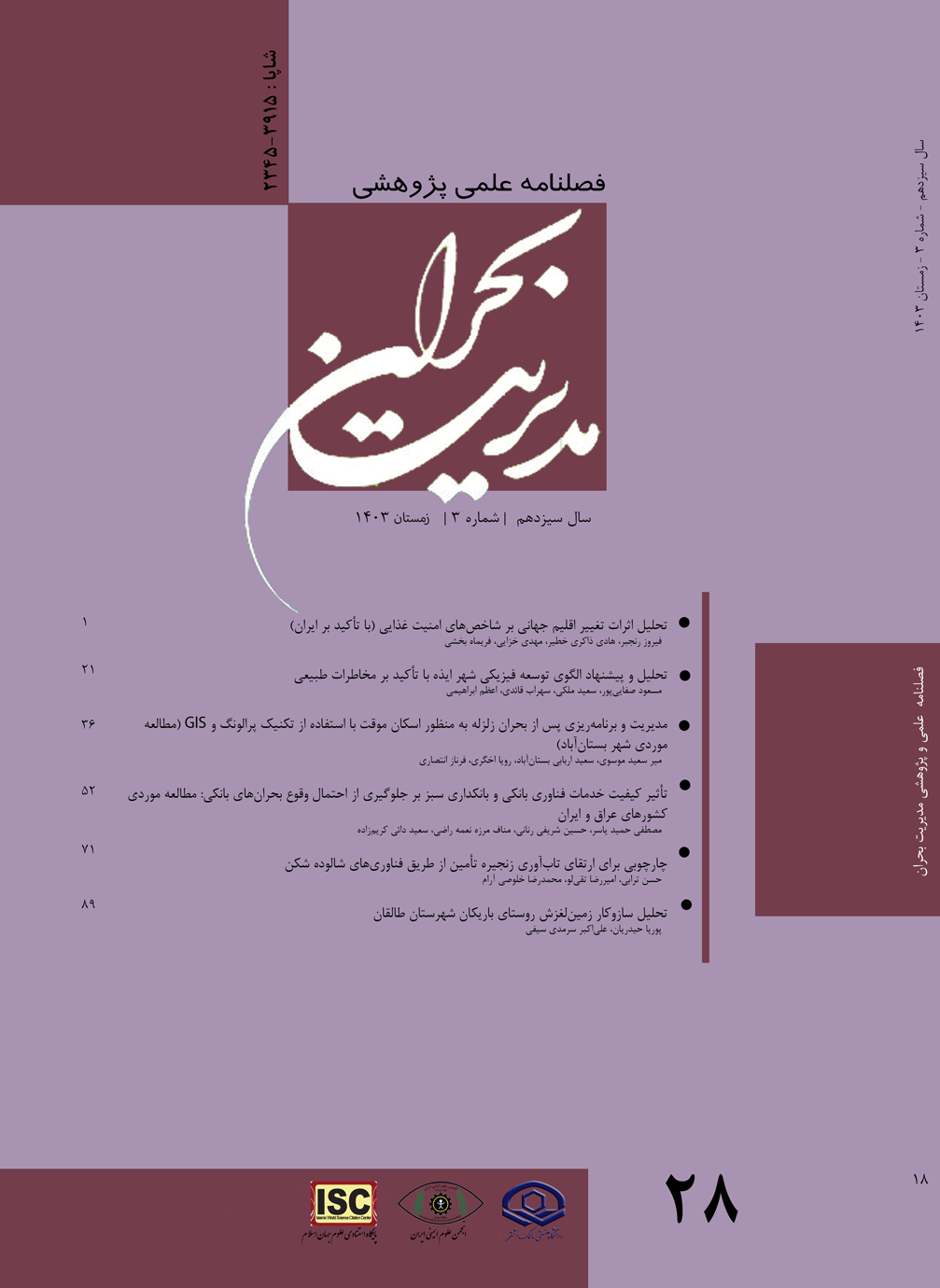
دوره 13، شماره 4 - شماره پیاپی 28
شماره پیا پی 28 زمستان 1403
زمستان 1403
صفحه 1-20

  • تاریخ دریافت 18 دی 1402
  • تاریخ بازنگری 26 شهریور 1403
  • تاریخ پذیرش 24 تیر 1403